
Desert heat window film
Heat Control Window Film in Phoenix
Phoenix glass soaks up solar energy for more of the year than almost anywhere in the country. Heat control film rejects part of that energy at the pane, so the room behind it stops working against your air conditioner.
 Phoenix
Why Phoenix Windows Let in So Much Heat
Three things stack up in the Valley. The sun shines through clear desert air on most days of the year. The cooling season starts in spring and runs into fall. And summer nights stay warm in the urban core, so a house or office never fully sheds the heat it picked up during the day. Every bit of sun that passes through the glass adds to a load the AC must remove later.
Solar heat arrives in three forms: visible light, near-infrared and ultraviolet. Infrared carries a large share of the heat you feel, which is why a sunny window can feel hot even through clear glass. Heat control film targets infrared and visible light in different proportions, depending on the product.
Spectrally Selective vs Reflective Heat Control Film
Spectrally selective films are engineered to pass much of the visible light while rejecting a large share of the infrared. From inside, the room still looks bright and the view of Camelback or the McDowells stays clear. From outside, the glass looks close to untreated, which helps with HOA and landlord approvals.
Reflective films use a thin metallic layer to bounce more solar energy away. They reject more total heat and cut more glare, but they darken the room and create a mirror effect from outside during the day. They suit west-facing commercial glass, garages and rooms where heat is the only priority. Many projects use both types: reflective on the worst west glass of a commercial building, selective in the lobby and on homes.
Heat Control Window Film for West and East Glass in Phoenix
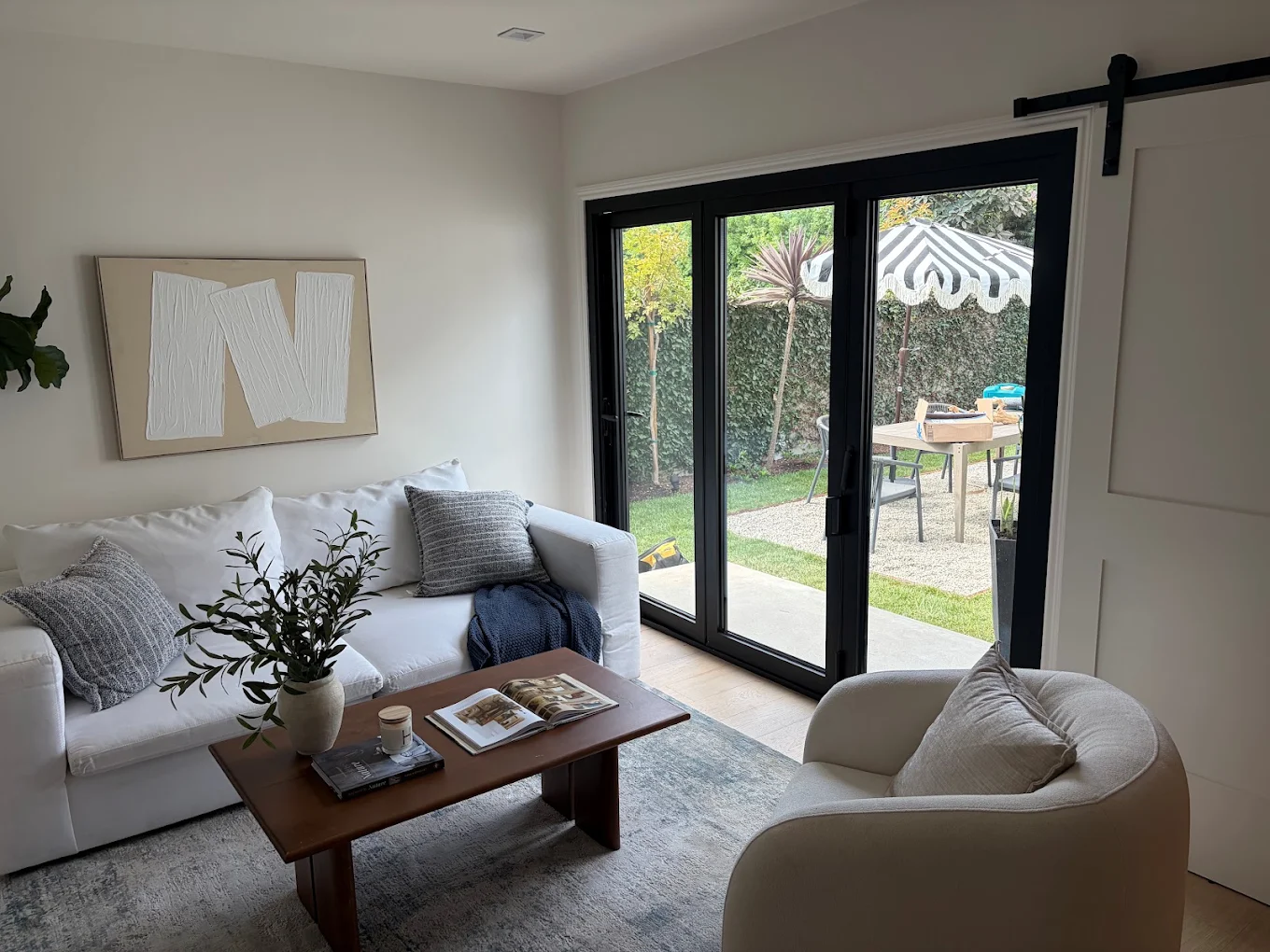
On a summer afternoon in Phoenix, a west window takes sun that comes in nearly horizontal, straight past any roof overhang. A west bedroom in Ahwatukee or a west-facing office suite on the Camelback Corridor can sit noticeably warmer than the rest of the floor. That glass is where heat control film makes the most visible difference.
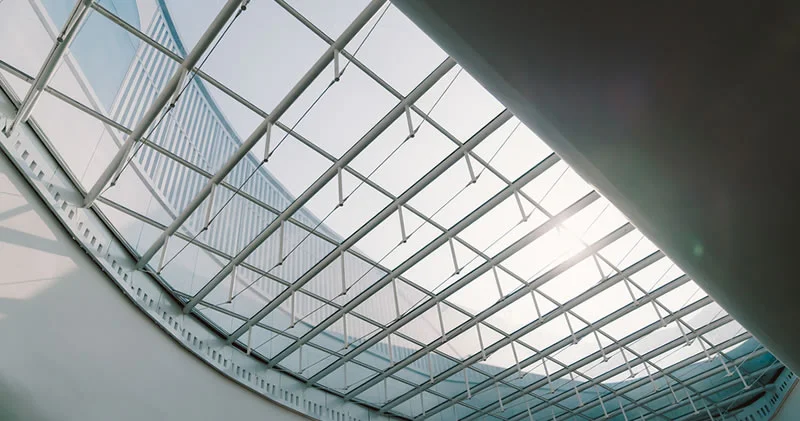
East glass catches the morning sun at a similar low angle. It is less punishing than the west because the outside air is cooler in the morning, but it still heats kitchens and bedrooms early. South glass is often shaded in summer by overhangs, while skylights and clerestories face the high midday sun and can need their own solution.
Glass Compatibility and Thermal Stress in Arizona Sun
Film absorbs some solar energy, and that warms the glass. On most single-pane glass this is not a concern. On some dual-pane, tinted or laminated units, a highly absorptive film can raise the glass temperature enough to stress the edges, particularly when part of the pane is shaded and part sits in full sun.
We identify the glass before recommending any heat film. Film manufacturers publish guidance on which products are approved for which glass types, and we follow it. For large commercial panes and older tinted glass, that check is especially important under Phoenix sun.
Heat Control Film for Phoenix Offices and Storefronts
Commercial buildings across the Valley face the same sun at a larger scale. Perimeter offices on west elevations run hot, monitors wash out and tenants complain to the facility team. Heat control film on those elevations reduces the load the perimeter HVAC zones carry and narrows the temperature gap between window offices and the interior.
Retail storefronts facing west across a parking lot take heat from the sun and from hot pavement. Light heat control film keeps the sales floor more comfortable without hiding merchandise, while darker films can go on upper clerestory glass that does not need to show products.
What Heat Control Film Does for Phoenix Homes and Offices
Cooler West Rooms in Phoenix Summers
Rooms behind west glass stay closer to the thermostat setting through the afternoon and evening. Bedrooms are easier to sleep in, and family rooms stay usable at dinner time instead of feeling like a sunroom.
Lower AC Load From Hot Window Glass
Rejecting solar heat at the glass reduces how hard the AC works on hot afternoons. On APS or SRP time-of-use plans, that load reduction happens during the hours when electricity costs the most.
Clear Views With Selective Heat Film
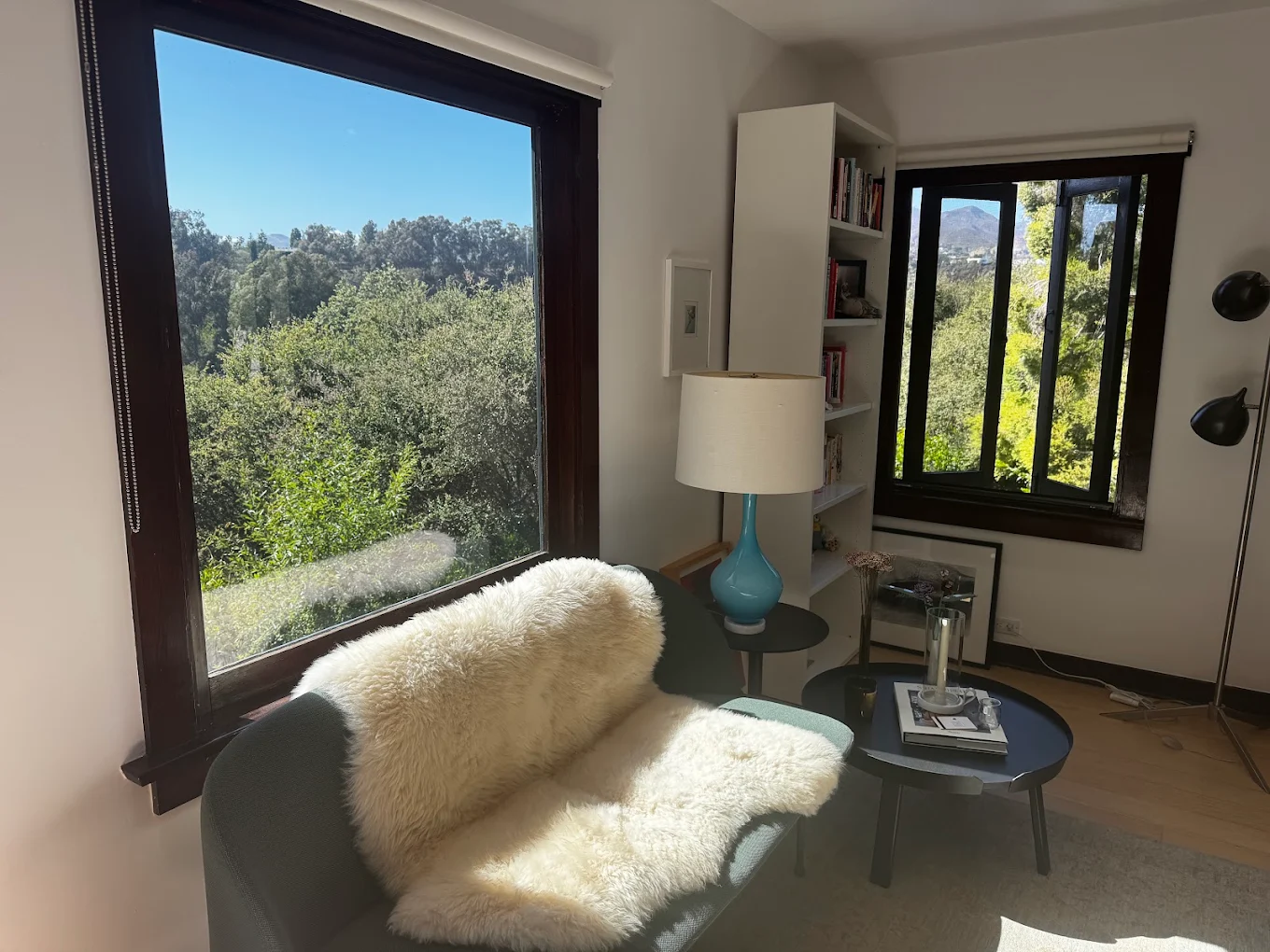
Spectrally selective film keeps glass bright and views clear, so you do not trade the sunset or mountain view for comfort. Most people cannot tell from inside that film is on the glass.
Built-In UV Blocking in Every Heat Film
Heat control film also blocks nearly all ultraviolet light, slowing fading of floors, fabrics and furniture. It is a second benefit that comes with every heat film we install.
Heat Control Window Film Questions in Phoenix
What share of solar heat will the film stop?
That number varies widely by product. Clear spectrally selective films reject a moderate share of solar heat, while dark reflective films reject much more. Film makers publish total solar energy rejection figures for each product, and we compare them for you.
Do I have to accept a dimmer room to get heat rejection?
No. Selective films hold onto most daylight. Mirrored and dark products dim the room more, and a side-by-side swatch on a sunny pane makes that tradeoff easy to judge.
Can heat control film damage dual-pane windows?
Only if the wrong film is applied. Some films absorb too much heat for certain dual-pane or tinted units. We identify the glass and use approved products.
Is heat control film worth it on north-facing windows?
Usually not for heat. North glass gets little direct sun in Phoenix. UV film may still make sense if valuable furnishings sit nearby.
Does heat control film work on skylights?
Often yes, depending on the skylight glazing. Plastic domes and some laminated units are not suitable. We check the material before recommending film.
Heat Control Window Film Service Areas in Phoenix
Window film quote
Price Heat Control Window Film for Your Phoenix Property
Name the rooms or floors that run hot and the direction their glass faces. With pictures and approximate pane sizes in the quote form, we can suggest the right heat film and price it.
Prefer email? info@windowfilmphoenix.pro