
Valley house tint
Home Window Tinting in Phoenix
Tinting a whole Phoenix house works best as a plan, not a blanket. West and east glass get the heavy lifting, shaded panes get lighter film, and the street view stays consistent enough to keep the HOA quiet.
 Phoenix
How We Plan Home Window Tinting Around Phoenix Sun
We start every house with a compass and a floor plan. In the Valley, the west wall decides most of the outcome. A bank of west windows behind a sofa or a bed takes direct sun from early afternoon until the sun drops behind the White Tank Mountains, and that is the glass where strong heat-rejecting film earns its place.
East windows come next. They take low morning sun into kitchens and bedrooms and turn breakfast into a squint. South glass under a typical stucco overhang sees surprisingly little direct summer sun because the sun is so high at midday, though it gets plenty in winter, which most owners welcome. North panes rarely need more than UV film. The result is a house treated in two or three film grades, chosen by exposure instead of tinted uniformly.
Whole-House Window Tinting for Valley Home Styles
A 1950s block ranch in central Phoenix might have single-pane steel casements in the bedrooms and an aluminum slider to the patio. Those panes accept a wide range of film and benefit the most from heat control. A 2005 two-story stucco tract home in Gilbert or Peoria usually has dual-pane low-E glass throughout, so film choices narrow to products approved for that construction.
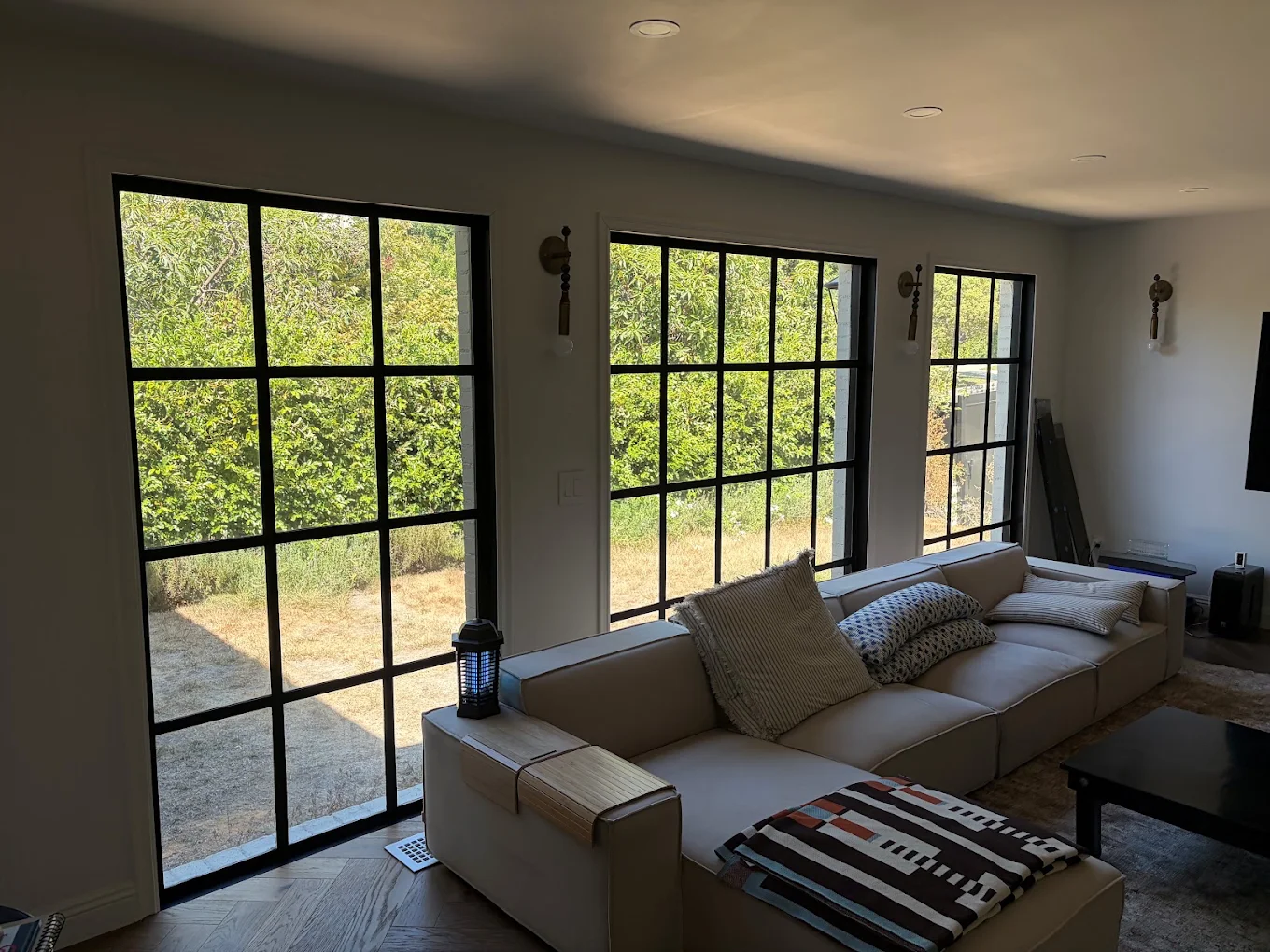
Custom homes in Paradise Valley, north Scottsdale and Cave Creek bring a third set of questions: oversized fixed panes, corner glass with no mullion, clerestories near the ceiling, and pocketing sliders that disappear into the wall. We measure those carefully, plan lift or ladder access in advance, and check each unit's makeup before quoting.
Arizona Rooms, Sliders and the Windows That Run Hottest
The Arizona room deserves its own mention. Many Valley homes have an enclosed patio lined with windows on two or three sides, sometimes with a separate wall unit for cooling. In summer those rooms become unusable by midmorning. Heat control film on the outward-facing glass, combined with the existing roof, often brings an Arizona room back into regular use for more of the year.
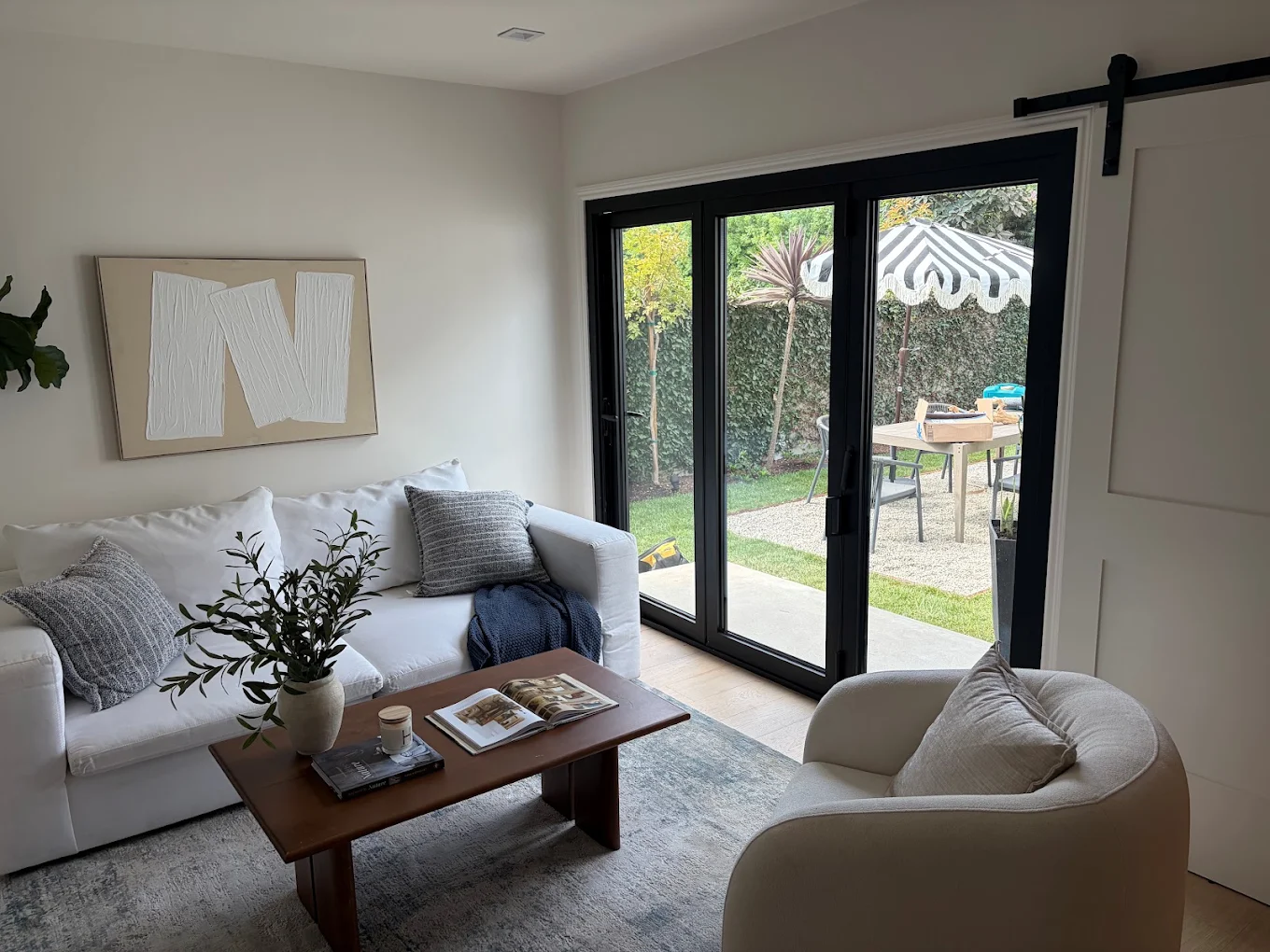
Large patio sliders are the other trouble spot. They face the pool and the yard, which in many subdivisions means west or south. The tile floor in front of the slider absorbs sun all afternoon and radiates it back into the room after dark. Film on that one door can change how the family room feels at dinner time.
Keeping Home Window Tinting HOA-Friendly in Phoenix Subdivisions
Most subdivisions built in the Valley since the 1970s operate under an HOA, and many architectural guidelines address window tint by name. The usual objection is to mirror finishes that make one house look different from its neighbors, or to visible color such as bronze or blue. Neutral films with low exterior reflectance tend to pass without much discussion.
We provide the product data sheet and a sample piece to attach to your architectural request. When an HOA has a specific limit on reflectance, we pick film that falls under it. Once approval arrives, we schedule the install, typically within a week or two depending on the season.
Home Window Tinting Install Day and Aftercare
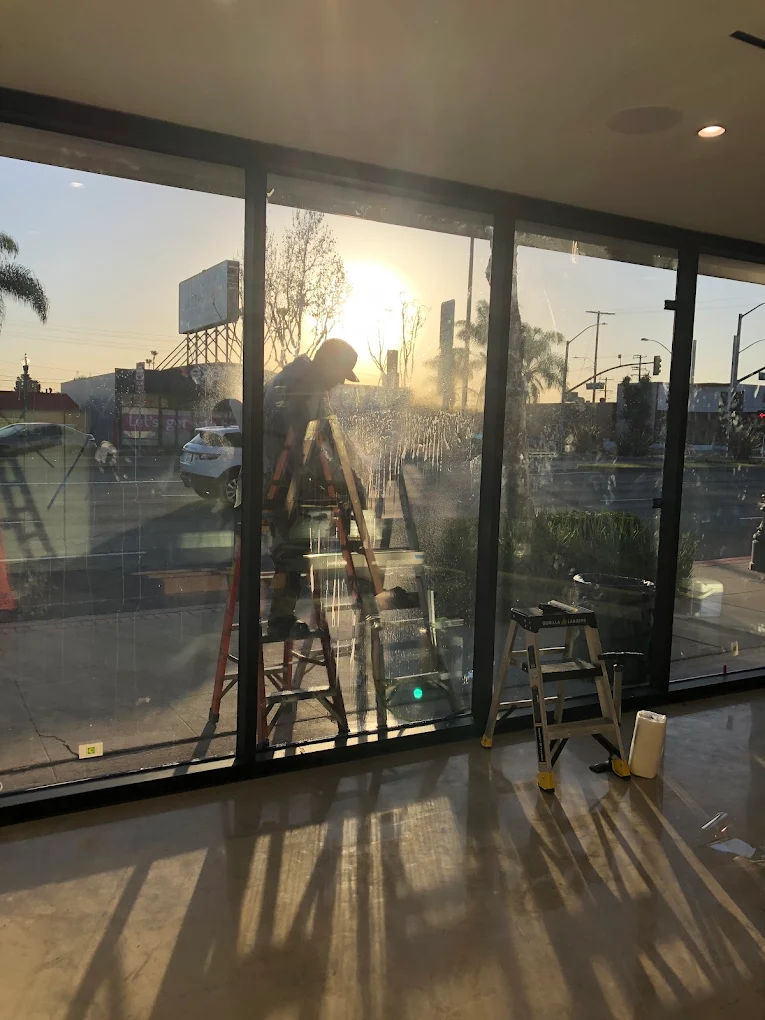
A typical single-story house takes most of a day. We move blinds and shutters, protect floors with drop cloths, clean every pane thoroughly to remove dust and the hard-water haze that Valley sprinklers leave on glass, and apply film panel by panel. Two-story homes and houses with many divided lites take longer.
Afterward, keep hands and cleaners off the filmed glass while it dries. In the dry heat of a Phoenix summer, small water pockets usually disappear within days. Winter installs take a bit longer. Once cured, the film cleans with a soft cloth and an ammonia-free spray.
What Whole-House Window Tinting Does for Phoenix Homes
Even Temperatures Across Phoenix Rooms
With film concentrated on the west and east glass, the hottest rooms come closer to the thermostat setting. Bedrooms, lofts and family rooms feel more like the rest of the house, so the system stops chasing one problem area all afternoon.
UV Protection on Every Tinted Window
Every film we install, including near-clear products, blocks nearly all ultraviolet light. Floors, cabinets, rugs and upholstery fade much more slowly, which matters in a city with intense sun on most days of the year.
Uniform Window Tint Appearance for HOA Review
Even when different film grades go on different elevations, we choose products that look alike from the street. The house reads as uniform to neighbors and to the architectural committee, while the hottest glass still gets the strongest film.
Less Glare in Valley Living Spaces
Tinting softens harsh low-angle light on TVs, laptops and white walls. Blinds stay open more of the day, so you keep the yard view and natural light that drew you to the house in the first place.
Phoenix Home Window Tinting Questions
Do I need to tint every window in my house?
No. Most Phoenix homes benefit most from film on west and east glass, large sliders and Arizona room windows. North-facing and well-shaded panes may need only UV film or nothing. We recommend coverage room by room.
Will home window tinting make my house look dark from outside?
Neutral films with low reflectance look like slightly tinted glass from the street. Darker or mirrored films are more visible. We bring samples so you can see the outside appearance before deciding.
Can I tint dual-pane windows in Phoenix?
Yes, with film approved for dual-pane glass. In strong Arizona sun, overly absorptive film can stress a sealed unit, so we match the film to your window type.
How many days will my house be torn up?
Usually one. Most single-story homes are done in a day. Larger or two-story homes may take two days. Curing continues for several days afterward, faster in summer.
Does window tint help in winter?
Phoenix winters are mild, and many homeowners enjoy the low winter sun through south glass. Spectrally selective films let a fair amount of light in, and low-E films reduce heat loss on cold nights.
Window film quote
Plan Your Phoenix Home Window Tinting
Send a rough floor plan or a list of rooms with the direction each faces, plus photos. We will suggest which panes need which film and give you a price.
Prefer email? info@windowfilmphoenix.pro